As AI Evolves, Human Purpose Remains
The future of learning is not human or AI. It is human and AI, guided by purpose, reflection, and accountability.
Artificial intelligence is evolving from a tool that assists human work to systems capable of planning,
generating, evaluating, and increasingly acting on behalf of humans. As AI becomes more autonomous,
the central challenge for education is no longer simply teaching students how to use AI. The greater
challenge is helping learners remain thoughtful, reflective, ethical, and accountable while working
alongside increasingly capable systems.
This shift does not reduce the importance of educators, researchers, or content experts. It elevates it.
Subject matter expertise remains essential because students still need disciplinary knowledge,
conceptual understanding, and guidance from experts who can help them distinguish quality from error,
evidence from opinion, and wisdom from information.
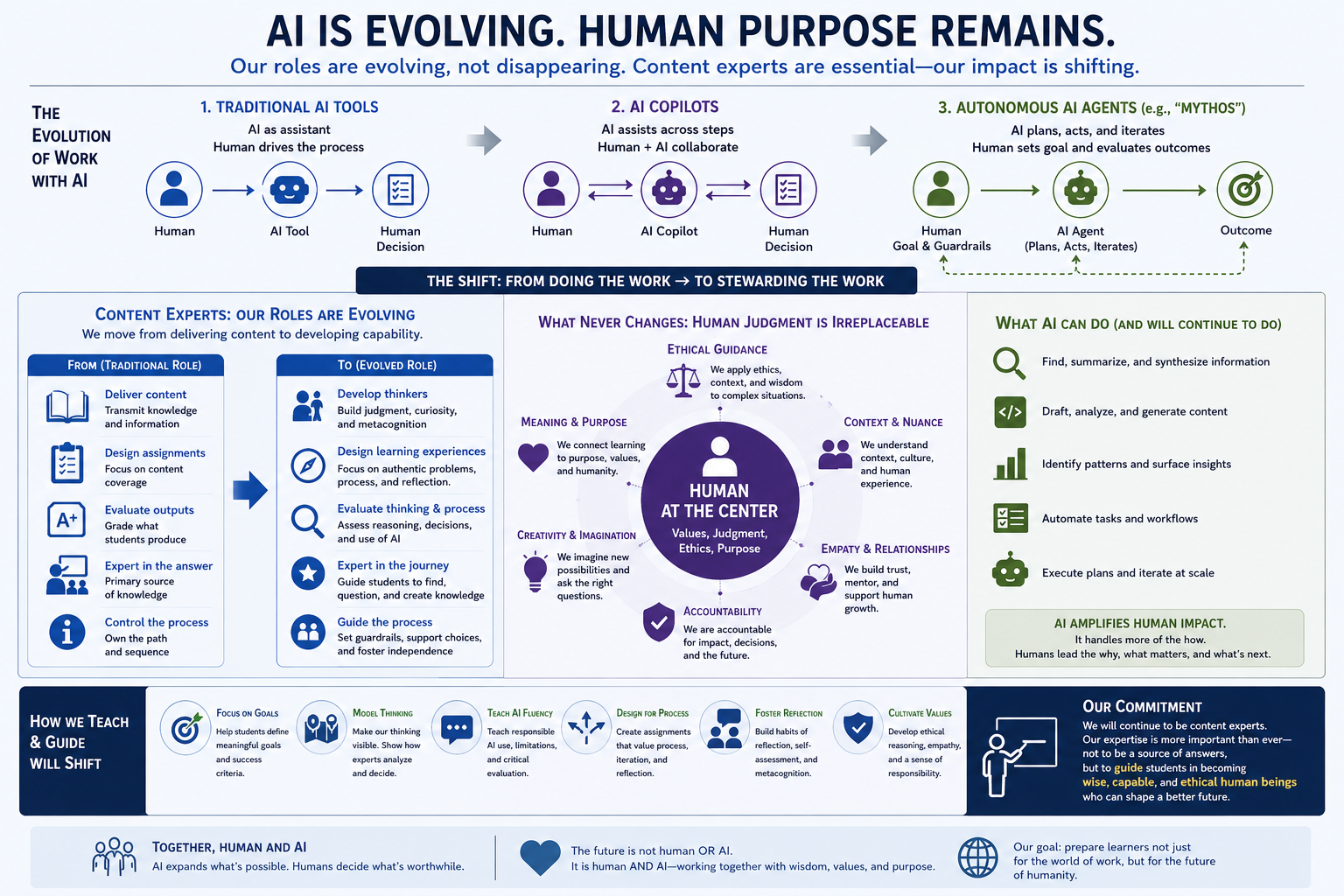
Figure 1. Human Expertise in the Age of Agentic AI.
As artificial intelligence evolves from tools to copilots and increasingly autonomous agents,
the role of educators, researchers, and content experts shifts from delivering information to
cultivating judgment, reflection, ethical reasoning, and human agency.
Conceptual framework and content developed by Catheryn Reardon, PhD (2026).
Visual rendering created using generative AI under human direction, review,
and editorial oversight.
© 2026 Catheryn Reardon, PhD. All rights reserved.
Why Content Experts Matter More, Not Less
AI can increasingly access information, summarize research, generate content, identify patterns,
automate workflows, and support decision-making. However, these capabilities do not eliminate
the need for expertise. Instead, they increase the value of expertise because humans must still
define meaningful goals, evaluate quality, recognize nuance, identify ethical risks, and determine
what is worth pursuing.
The future belongs not to those who simply possess information, but to those who can interpret,
question, evaluate, and responsibly apply it. Content experts provide the disciplinary grounding,
contextual understanding, and professional judgment that AI alone cannot supply.
The Evolving Role of Educators
Faculty and educators remain essential to the learning process, but their roles are evolving.
Rather than serving primarily as transmitters of information, educators increasingly function as
learning architects, mentors, facilitators, and guides who help students develop the habits of
thinking necessary to navigate complex and rapidly changing environments.
This means moving from delivering content to developing thinkers, from grading products to evaluating
reasoning, from providing answers to guiding inquiry, and from teaching tool use to cultivating
judgment, metacognition, and responsible human agency.
The Future of Expertise
Expertise remains foundational in an AI-mediated world. Students still require disciplinary
knowledge, theoretical understanding, methodological competence, and professional standards.
However, expertise increasingly includes the ability to collaborate with AI while maintaining
independent thinking and accountability.
The question is no longer whether AI can perform a task. The question is whether humans understand
enough about the task to evaluate, challenge, improve, and responsibly apply AI-generated outputs.
Expertise becomes the foundation for meaningful human oversight.
The Role of HAIML
The Human-Centered AI Metacognitive Learning Model (HAIML) was developed in response to this
emerging reality. HAIML recognizes that learning in AI-supported environments requires more than
technical competence. It requires reflection, metacognition, ethical decision-making, and human agency.
As AI assumes a greater role in generating information and completing tasks, human value increasingly
resides in judgment, critical evaluation, ethical reasoning, creativity, and accountability. HAIML
provides a framework for helping learners remain active participants in their own thinking rather than
passive consumers of AI-generated outputs.
Questions Higher Education Must Continue to Ask
As AI becomes more capable, higher education must ask deeper questions about learning, expertise,
and human development.
What should students learn when AI can generate answers? How do we assess thinking rather than
only final products? How do we preserve human agency in AI-mediated environments? What does expertise
look like in a world of increasingly autonomous systems? What responsibilities remain uniquely human?
A Human-Centered Future
Artificial intelligence will continue to evolve. Systems will become more capable, more autonomous,
and more integrated into everyday life. Yet the future of learning depends not only on technological
advancement but also on our ability to preserve the qualities that make us human.
Human judgment, ethical reasoning, creativity, empathy, reflection, and accountability remain essential.
The challenge before higher education is not simply teaching students to use AI. It is helping students
develop the wisdom and agency necessary to work alongside AI while remaining fully engaged in their own
learning, decision-making, and growth.
Suggested Citation
Reardon, C. (2026). The Future of Human Learning in the Age of Agentic AI.
Retrieved from https://catherynreardon.com/future-of-human-learning.html